Tracing Regulatory Shifts' Effects on Bonus Structures and App-Based Security Features Across Britain's Digital Gambling Sector
Ines Richter · Aug 25, 2026
Tracing Regulatory Shifts' Effects on Bonus Structures and App-Based Security Features Across Britain's Digital Gambling Sector
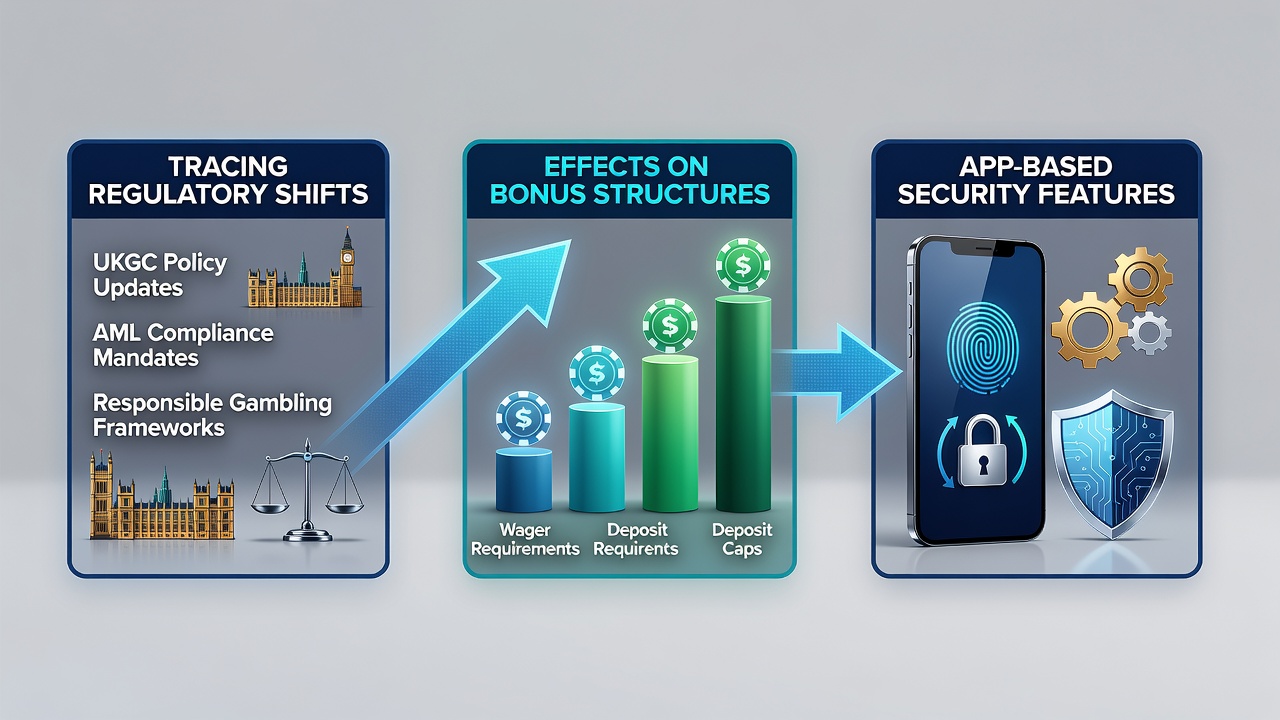
Regulatory adjustments across Britain have reshaped how operators structure promotional bonuses while simultaneously tightening requirements for app-based security protocols in the digital gambling space, and data from multiple oversight bodies shows these changes took clearer form leading into mid-2026. Operators responded by revising welcome offers, loyalty rewards, and deposit-match promotions to align with updated consumer-protection standards that limit aggressive bonus mechanics. At the same time, development teams integrated advanced encryption layers, two-factor authentication routines, and real-time fraud-detection systems into mobile platforms to meet elevated compliance thresholds. Observers note that the combined pressure produced measurable shifts in both marketing spend and technical infrastructure by August 2026.
Bonus Structures Under Revised Rules
Bonus structures adapted quickly once new guidelines restricted the size, wagering requirements, and eligibility criteria attached to promotional offers, and industry reports indicate average bonus values declined while transparency around terms increased. Operators replaced unlimited free-spin packages with capped or time-limited versions that tie rewards more closely to verified play patterns rather than initial deposits alone. Research indicates these adjustments reduced instances of players chasing unrealistic bonus targets, and several firms introduced tiered loyalty schemes that reward consistent activity over large upfront incentives. Data shows conversion rates from bonus claims to sustained engagement remained stable even as headline offer sizes shrank, suggesting users responded to clearer value propositions instead of inflated promotional numbers.
Security Upgrades in Gambling Applications
App-based security features expanded in parallel, with developers embedding biometric login options, device-fingerprinting tools, and continuous session monitoring to satisfy stricter data-protection mandates. These enhancements coincided with broader European digital-service standards that influenced British operators, and figures reveal investment in cybersecurity rose sharply between 2024 and 2026. Mobile platforms now routinely deploy end-to-end encryption for financial transactions and store user credentials in isolated hardware modules rather than software-based vaults. Studies found that operators who adopted these layered protections experienced fewer account-compromise incidents, and regulators in comparable jurisdictions such as those tracked by the Australian Communications and Media Authority reported similar outcomes when similar protocols were introduced.
Interplay Between Bonuses and Security Protocols
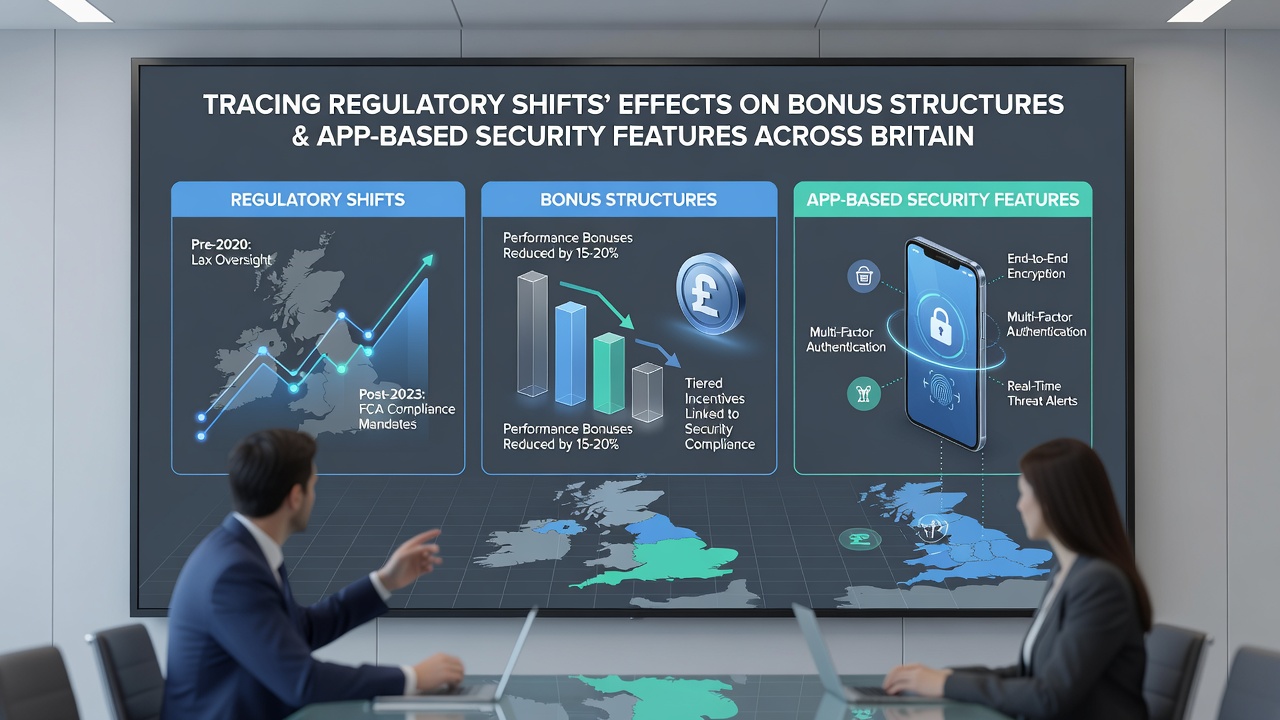
The intersection of bonus reform and security upgrades created new operational realities for platforms, because verification steps required to unlock promotional rewards now often include the same identity checks used for account protection. Users encounter seamless flows where a single biometric confirmation satisfies both bonus eligibility and transaction approval, reducing friction while maintaining compliance. One study revealed that integrated systems lowered support-ticket volume related to bonus disputes by nearly thirty percent within the first six months of deployment. Observers note that these efficiencies emerged because operators aligned marketing rules with technical safeguards rather than treating them as separate compliance streams.
Regional Comparisons and Industry Data
Comparisons with other markets highlight Britain's distinctive path, and reports from the National Council on Problem Gambling in the United States illustrate how different jurisdictions balanced bonus restrictions with security investments. British operators moved faster on technical safeguards while maintaining competitive promotional offerings within narrower parameters. Figures from academic analyses show that platforms incorporating both regulatory threads achieved higher user-retention metrics than those focusing solely on one area. Patterns observed in August 2026 suggest the dual approach became standard practice across major British-facing apps.
Conclusion
Regulatory shifts continue to influence bonus structures and app security features in Britain's digital gambling sector through interconnected compliance requirements, and available data points to sustained adaptation rather than abrupt reversals. Operators maintain promotional activity within defined limits while embedding robust verification tools that protect users and satisfy oversight expectations. Continued monitoring by international bodies will likely shape further refinements as technology and policy evolve together.