Contactless Innovations Altering Security Standards for Payments in UK Online Slot Games
Ines Peters · Aug 29, 2026
Contactless Innovations Altering Security Standards for Payments in UK Online Slot Games
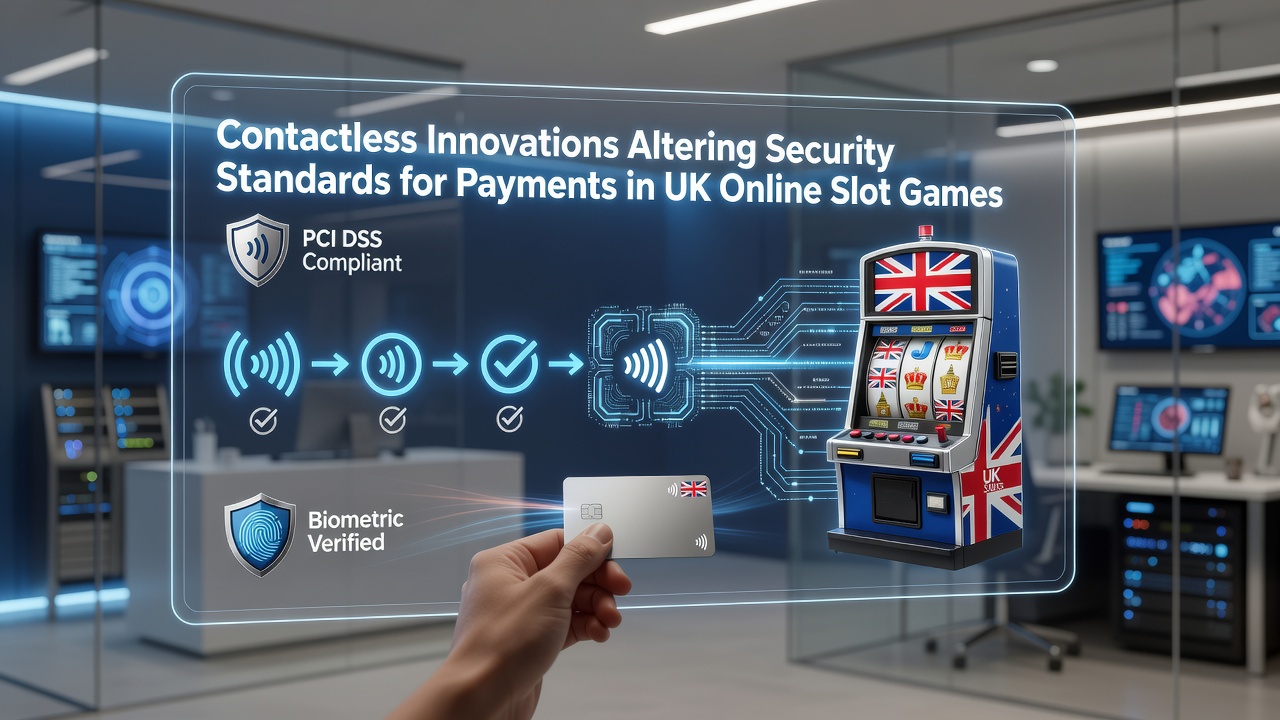
Payment systems in UK online slot platforms have incorporated contactless methods at an accelerated pace since the mid-2020s, with technologies such as near-field communication tokens and biometric verification replacing traditional card entry processes. These shifts coincide with broader adoption of digital wallets that transmit encrypted credentials without exposing full account details, and observers note that transaction times have shortened while authentication layers have multiplied. Data from industry reports indicate that contactless options now account for a growing share of deposits in digital gambling environments, prompting updates to encryption requirements and access controls.
Expansion of Contactless Methods in Digital Gaming
Operators have integrated contactless solutions through mobile applications and browser-based interfaces, allowing players to authorize payments via device sensors rather than manual input. Research conducted by the PCI Security Standards Council shows that tokenization techniques replace sensitive card information with unique identifiers during each session, which reduces exposure to interception attempts. This approach has gained traction alongside features like facial recognition and fingerprint scanning, and figures reveal that adoption rates climbed steadily through 2025 as device compatibility improved across major operating systems.
What's interesting is how these innovations align with existing frameworks such as the revised Payment Services Directive in European markets, which emphasizes strong customer authentication. Providers in the UK have adapted similar protocols, requiring dynamic verification steps that combine possession of a device with biometric confirmation. Studies from academic institutions like the University of Melbourne's Centre for Digital Transformation have examined comparable systems in other regions, finding that contactless flows maintain transaction integrity when paired with real-time risk scoring algorithms.
Security Protocol Adjustments and Technical Measures
Security standards have evolved to address vulnerabilities introduced by wireless transmission, including enhanced monitoring for anomalous patterns during payment authorization. Experts at the European Central Bank have documented how contactless implementations incorporate behavioral analytics that flag deviations from established player habits, and these measures operate alongside end-to-end encryption that secures data in transit. The result has been a reduction in certain categories of fraud attempts, according to aggregated transaction data shared across payment networks.
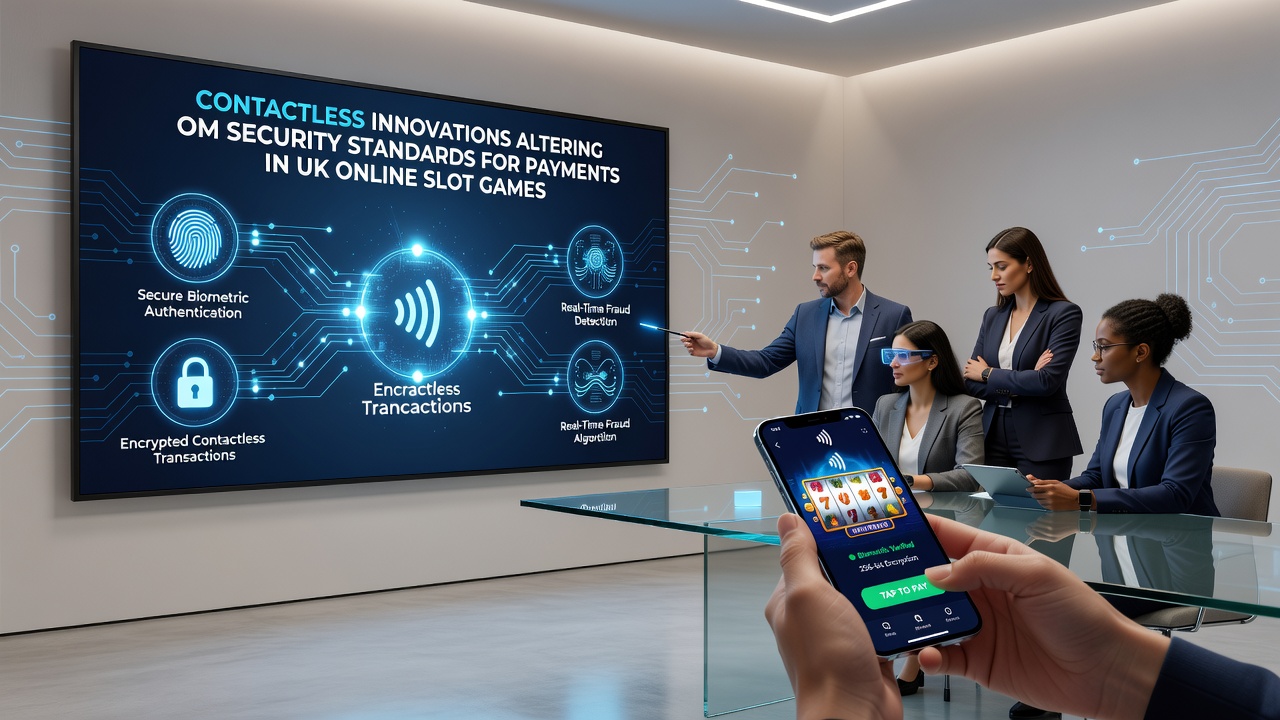
But here's the thing: implementation varies by platform, with some developers layering additional controls such as one-time passcodes sent to registered devices. Researchers at the Massachusetts Institute of Technology have analyzed these layered defenses in controlled simulations, demonstrating that combining contactless entry with device-bound tokens limits replay attacks effectively. Observers note that standards bodies continue to refine guidelines around key rotation and certificate management to keep pace with emerging threats.
Regulatory Context and Industry Responses
Although direct oversight differs by jurisdiction, payment security in online environments draws from international benchmarks set by organizations like the PCI Security Standards Council and regional authorities. In August 2026, updates to authentication mandates are scheduled to emphasize continuous verification during active sessions, which will influence how contactless features are deployed in slot interfaces. Companies have responded by auditing their systems against these forthcoming requirements, incorporating audit trails that log every authorization event without storing raw financial details.
Those who've studied cross-border payment flows point out that alignment with frameworks from bodies such as the Australian Competition and Consumer Commission helps standardize practices for operators serving multiple markets. This convergence supports consistent security baselines while allowing regional adaptations, and evidence suggests that platforms adopting unified token standards experience fewer compliance discrepancies during external reviews.
Practical Effects on Player Transactions
Players encounter contactless options primarily through integrated wallet services that support quick top-ups during gameplay, with limits often adjusted based on verified identity levels. Transaction logs show that average deposit values have remained stable even as processing speeds increased, and case examples from operators indicate smoother user experiences when biometric prompts replace repeated password entries. Industry associations have compiled usage statistics demonstrating that contactless methods correlate with higher completion rates for payment steps compared to legacy card forms.
Yet challenges persist around device compatibility and user education, prompting providers to offer fallback mechanisms that maintain security parity. Data indicates that hybrid approaches, where contactless serves as the primary route but alternative paths exist, reduce friction for diverse player bases without compromising protective measures.
Conclusion
Contactless innovations continue to drive refinements in security standards for UK online slot payments through tokenization, biometrics, and behavioral monitoring. These developments build on established international guidelines while preparing for scheduled updates in 2026, and they reflect coordinated efforts among technology providers, standards organizations, and regulatory entities across regions. The outcome has been payment environments that prioritize both efficiency and protection, supported by ongoing technical assessments and data-driven adjustments.